Install Guide

Pebble Install Guide

This guide walks you through physical installation, setup, testing, and final checks using simple installer-friendly language.

Choose a guide section

Section 1: Before You Begin

Know these 4 things first

  • Which Pebble model you are installing: eco1, eco2, or Pebble Plus.
  • Which sensor type the site is using: ultrasonic, submersible, or existing analog sensor.
  • Whether the site uses one tank only, a main and reserve setup, or a larger RS485-based setup.
  • If Pebble Plus is being used, whether each RS485 device has already been commissioned to the intended shared bus standard and a unique address.

Simple meanings

Monitoring Device
The Monitoring Device is a record you create, that needs to be Linked to the physical Pebble Monitoring device that connects to the tank.

Pebble Unit
The Pebble Unit is the physical hardware installed on site.

Link Code
The Link Code connects the physical Pebble Unit to the correct Monitoring Device.

Main Tank
The Main Tank is the primary tank linked to the Monitoring Device.

Reserve Tank
The Reserve Tank is the backup tank if the site uses one.

Portal
The Portal is the website Dashboard where you monitor and manage your tank status.

Ultrasonic sensor
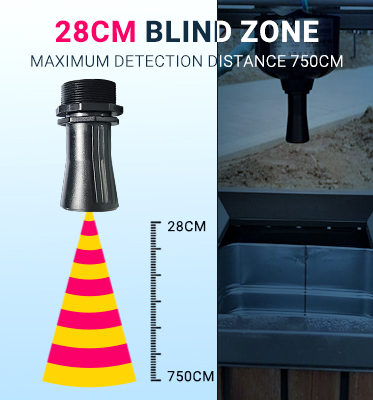
An ultrasonic sensor sits above the water and measures the level by sending a sound pulse down to the water and timing the return.

Submersible sensor
A submersible sensor goes down into the tank and measures water pressure from inside the tank instead of reading from above. One example is the PBL300. It is a sealed drop-in sensor made for use in water. PBL300 sensors are sold in different versions, so always check the signal type before wiring. Some versions use 4-20mA, 0-5V, or 0-10V. The RS485 / Modbus version can be used with Pebble Plus when configured correctly.

RS485 bus
The RS485 bus is the shared wired sensor line used on Pebble Plus. In simple terms, it lets the controller talk to compatible sensors on the same wiring run. Most current Pebble Plus installs use ultrasonic sensors on the RS485 bus, and compatible RS485 / Modbus submersible sensors such as the PBL300 can also be used when the correct version is selected.

Section 2: Confirm The Portal Is Ready

2

Make sure the portal setup is complete

Before the installer finishes on site, the Monitoring Device should already exist in the portal and be ready to Link.

  • The Monitoring Device has already been created.
  • The Device Serial is visible in the portal.
  • The Link Code is available.
  • The Main Tank is already linked or ready to be linked.
  • If the site uses a reserve tank, that requirement is already understood before setup begins.

Important: The Link Code links the Pebble Physical device to the correct Dashboard Monitoring Device.

Section 3: Link Device

3

Open Link Device

Log in using the access code setup1234, then open Link Device first.

  • Link Code: Enter the Link Code from the portal.
  • Confirm the match: Make sure the correct Monitoring Device is shown before continuing.
  • Save: Save the Link before moving on to Connection Setup.

After the Link is saved, continue with Connection Setup and then Sensor Setup.

Section 4: Connection Setup

4

Open Connection Setup

After the Link is complete, open Connection Setup.

  • Wi-Fi sites: Enter the normal site Wi-Fi name and password.
  • Mobile sites: Enter the mobile APN details if required and choose the correct connection method.
  • Update timing: Choose how often the device should send updates and how much the level must change before sending a new reading.

Save the connection settings before moving on to Sensor Setup.

Section 4A: What You Will See On Screen

1. Login / Home

The installer logs in and starts with Link Device, Connection Setup, or Sensor Setup.

2. Link Device

This page is used to enter the Link Code and connect the Pebble Unit to the correct Monitoring Device.

3. Connection Setup

This page is used for Wi-Fi settings, mobile APN details, update timing, and communication preferences.

4. Sensor Setup

This page is used to choose the sensor type, test each reading, and confirm any tank-top switch.

Section 4B: Connection Setup For Mobile Units

Only for units with mobile service

Some Pebble units include a mobile communication module. These units can send updates through the mobile network instead of relying only on site Wi-Fi.

  • Make sure the SIM card is installed and active.
  • In Connection Setup, enter the mobile APN details if required.
  • Use the communication setting that matches the install.
  • Run the mobile connection test before leaving the site.

Tip: If the site Wi-Fi is weak or unreliable, a mobile unit may still continue sending updates through the mobile network when set up correctly.

Section 5: Sensor Setup

5

Open Sensor Setup

Sensor Setup is where you tell Pebble what type of sensor is connected and where you prepare the live reading test.

  • Choose the matching quick setup if one applies.
  • Confirm the sensor type for each reading.
  • If used, confirm how the tank-top switch is connected.
5A

RS485 commissioning and service tools

Use these tools when an RS485 device needs to be commissioned or corrected before the live bus is finalized. This is most common when a device arrives with the wrong address, the wrong communication speed, or another setting that must be corrected before normal operation.

  • Sensor Number Tools: Use this to read, assign, and scan sensor numbers for RS485 ultrasonic and RS485 submersible sensors.
  • Analog Sensor Number Tools: Use this to read, assign, and scan addresses for RS485 analog input modules.
  • Switch Box Service: Use this only if the tank-top switch box needs service or address recovery. In normal installs, the switch box address is usually pre-configured.
  • RS485 Ultrasonic Service: Use this for ultrasonic address recovery, communication-speed recovery, force-9600 actions, and diagnostics.
  • Submersible Sensor Service: Use this for submersible sensor address work, communication-speed changes, zero-offset correction, save actions, and related diagnostics.

Important: Some per-reading service buttons only appear after you save the reading with the correct sensor type and reload the page. This is normal.

Commissioning rule: Finish address and communication-speed corrections before placing the full RS485 bus into normal operation. On the final live bus, every device should have a unique address and the intended shared communication standard.
If the installation uses Pebble Plus and any RS485 device is not responding correctly, open the RS485 Wiring Guide and confirm topology, termination, polarity, grounding, and branch length before assuming the device is faulty.

6

Test the reading

Important: If you are assigning addresses on the RS485 bus, connect only one unassigned sensor at a time while doing that step.

  • Check reading now: Use the test button to confirm a live reading appears.
  • Main and Reserve: If using eco2, test both the main and reserve readings.
  • Tank-top switch: If the setup uses a tank-top switch, test that the status changes when the switch is triggered.
  • RS485 commissioning: If an RS485 device needs a corrected address or bus speed, use the matching service page before final testing.
  • Submersible offset: If a submersible sensor communicates correctly but reads consistently off, review and correct the offset value in the Submersible Sensor Service page.
  • Existing analog sensor: For analog installs, use the current electrical value tools to confirm the live signal and help set the empty and full calibration points.
7

Save and finish

After all readings and service actions are confirmed, save the settings. The device will return to normal operation and continue sending updates based on the setup you entered.

On Pebble Plus, all commissioned RS485 devices on the live bus should now have unique addresses and be using the intended shared bus standard before you leave the site.

Section 6: Device Status & Troubleshooting

6

What the device screen and LED are telling you

Pebble uses the LCD screen and the LED blink pattern together to show status and the next action to take. Use this guide to match the device message with the correct next step.

Important: On current firmware, the normal ready state is "READY" on line 1 and "Standby" on line 2. During Wi-Fi setup, you may see either "SETUP / 192.168.4.1" or "SETUP / WiFi cfg" depending on which setup step the device is in.

Screen Line 2 LED Pattern Meaning Installer action
SETUP 192.168.4.1 Slow blink Device is in setup AP mode. Connect to the setup Wi-Fi and open the setup page.
SETUP WiFi cfg Slow blink Device is in Wi-Fi configuration mode. Finish Wi-Fi setup and save the site network details.
WIFI Connecting Medium blink Connecting to Wi-Fi. Wait. If it does not connect, check the Wi-Fi details and signal strength.
WIFI ERR Check WiFi Slow blink Wi-Fi connection failed. Re-enter Wi-Fi details and try again.
UNBOUND Claim dev Slow blink Device is not linked to a Monitoring Device. Open Link Device and enter the Link Code from the portal.
CLAIM Claiming Medium blink Link request is in progress. Wait for completion.
CLAIMOK Bound Solid ON Device link completed successfully. No action needed unless you are linking another slot on Pebble Plus.
CODEERR Regen web Double blink Link Code expired or is no longer valid. Generate a new Link Code in the portal and try again.
CLAIMER Try again Double blink Link failed. Retry and confirm the Link Code and selected slot are correct.
CLOUD Retry Double blink + pause Cloud service could not be reached. Check internet access, DNS, and firewall / HTTPS access.
API ERR Retry Triple blink + pause Server returned a non-success response. Retry first, then review backend logs if needed.
BADRESP Retry Triple blink + pause Unexpected or invalid server response. Retry, then verify firmware and backend response format.
RESOLVE Retry Double blink + pause Resolve step failed after network connection. Retry after confirming Wi-Fi and cloud connectivity.
SENSERR Check sens Fast blink Sensor problem detected. Check wiring, sensor type, address settings, and power.
TIMEOUT Retry Fast blink Sensor did not respond in time. Inspect cabling and communication wiring.
READY Standby Solid ON Device is in the normal ready state. No action needed.

LED pattern guide

Patterns
  • Slow blink = about an 0.8 second interval
  • Medium blink = about a 0.35 second interval
  • Fast blink = about a 0.12 second interval
  • Solid ON = normal ready state
Grouped patterns
  • Double blink = grouped pair of flashes
  • Triple blink + pause = grouped triple flashes followed by a pause
  • Heartbeat = short ON, long OFF during update / OTA activity
  • Repeating burst = very fast repeated flashes during factory reset

Section 7: Final Checks Before Leaving

  • Make sure the device powers on normally.
  • Make sure the correct tank or tanks show a reading.
  • Make sure the correct sensor type was selected.
  • Make sure the reading changes when the water level changes or when the sensor is checked.
  • If a tank-top switch is used, make sure its status changes when tested.
  • On Pebble Plus, make sure each RS485 device on the live bus has a unique address.
  • On Pebble Plus, make sure all commissioned RS485 devices are using the intended shared bus standard before leaving the site.
  • If a service page was used, confirm the corrected address, bus speed, or submersible offset before final save.
  • Make sure all settings were saved before you leave the site.
If the reading is missing or wrong, first check power, wiring, model selection, Link status, sensor type, and saved address or calibration values. Then test the sensor again from the setup page. If an RS485 device still does not respond, use the matching service page to check address, bus speed, and diagnostics.

Hardware Installation

This section covers physical mounting, cable routing, and power. Setup and testing are covered in the Setup & Testing tab.

Choose your model

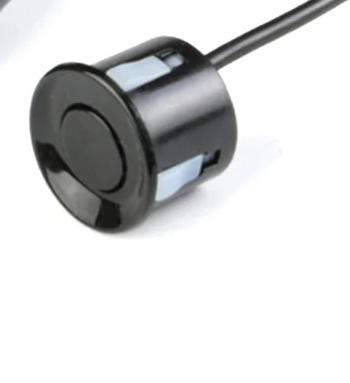
eco1 uses 1 ultrasonic sensor, eco2 uses 2 ultrasonic sensors, and Pebble Plus uses compatible RS485 ultrasonic and submersible sensors on the shared RS485 bus.
Pebble eco1
1 Tank
One ultrasonic sensor
Controller
Sensor included
1 Sensor
JSN
Pebble eco2
Main + Reserve
Controller
Sensors included
2 Sensors
Main Reserve
Pebble Plus uses the RS485 bus. That means the sensors share a wired communication line instead of each wiring directly to the controller.
Pebble Plus
RS485 Bus
RS485
Sensor type (Plus only)
Choose the sensor hardware used on the RS485 bus.

Hardware Installation Steps

These steps cover tank mounting, cable routing, and power. Setup and testing are covered in the Setup & Testing tab.
Safety & expectations
  • Install time varies by tank, access, and cable routing.
  • Correct aiming and stable mounting are important for reliable readings.
  • If you are not comfortable working inside or around a tank, use a qualified installer.
  • Use safe access methods, proper tools, and weather-sealed connections.

Tools & materials
  • Drill and suitable bits
  • Screwdriver and mounting hardware
  • Sealant for wall penetrations
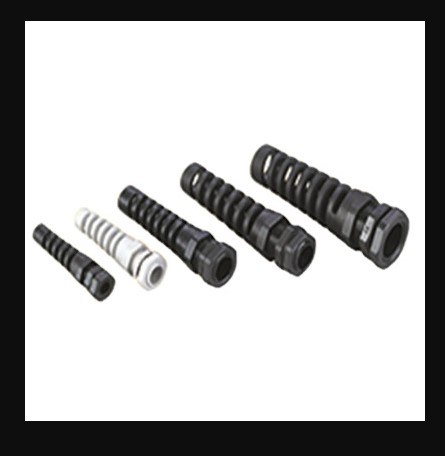
  • Cable protection and strain relief as needed
Before mounting

Plan the cable route first. Choose a controller location with good Wi-Fi signal and a clean route back to the tank.

Strain relief Sensor cable

Mounting rules
  • Aim the ultrasonic sensor straight down toward the water surface.
  • Avoid obstructions that could block or reflect the reading.
  • Mount the sensor securely so it does not shift after installation.
  • Keep weather-exposed joins sealed and strain-relieved.
eco2 note: Connect the main sensor to the main reading and the reserve sensor to the reserve reading so the web setup matches the physical installation.
Cable routing
Cable runs
Protect connectors while routing and avoid sharp strain on the cable.

Controller mounting
  • Mount the controller where Wi-Fi signal is reliable.
  • Keep it close enough to the tank to avoid unnecessary cable runs.
  • Seal any cable entry holes after the cable is routed.
Cable pulling tip

Use a pull-string or fish tape when routing cable through a wall or conduit. Smooth and protect the connector during the pull.

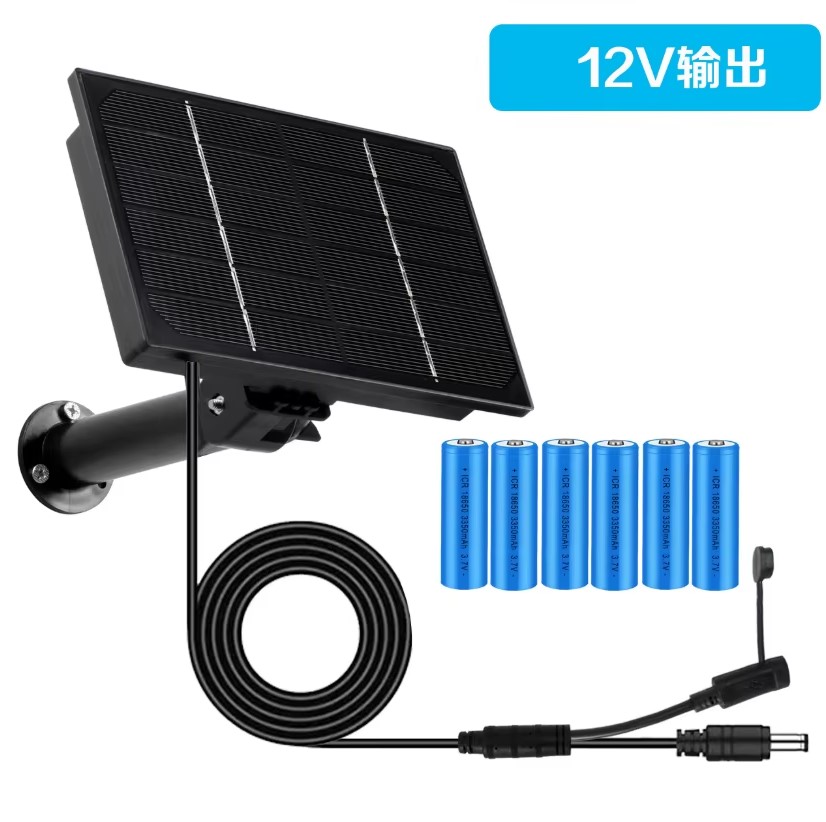
Solar
Solar kit
Wall outlet / adapter
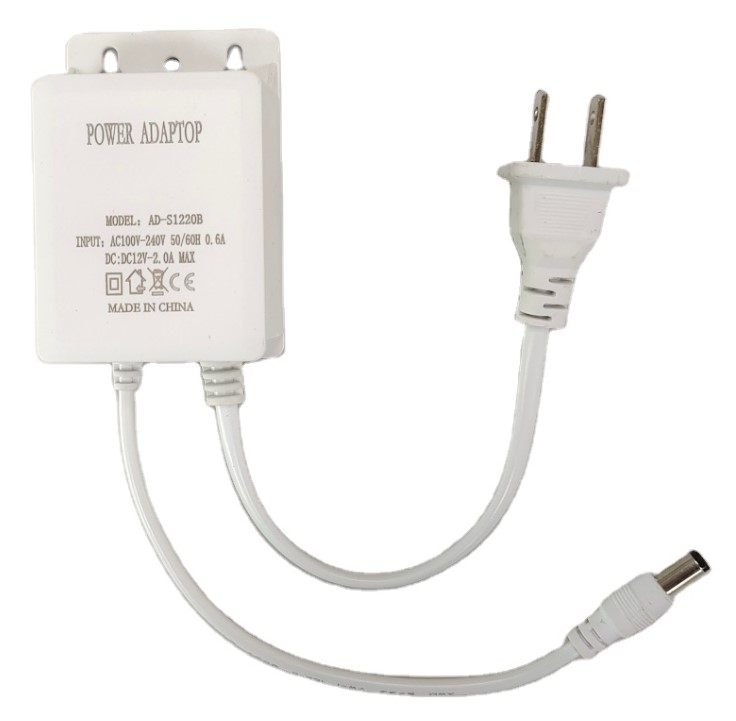
Power adapter
After the hardware is installed, switch back to the Setup & Testing tab to connect Wi-Fi, test the readings, and finish setup.

Pebble Connection Overview

eco1 / eco2 direct ultrasonic sensors β€’ Pebble Plus RS485 bus β€’ power β€’ wiring

eco1 / eco2 β€” Direct Ultrasonic Sensor Setup

eco1 = 1 sensor β€’ eco2 = main + reserve
Pebble eco unit
Pebble controller
JSN sensor
Ultrasonic sensor
Tank top connection
Tank top connection
Placement hint
Mount above the water and aim down
Pebble eco device
Controller
Ultrasonic sensor
Direct wiring
Tank level reading
Main only, or main + reserve

Pebble Plus β€” RS485 Bus Setup

Use a true daisy-chain bus and avoid star wiring.
Pebble Plus controller
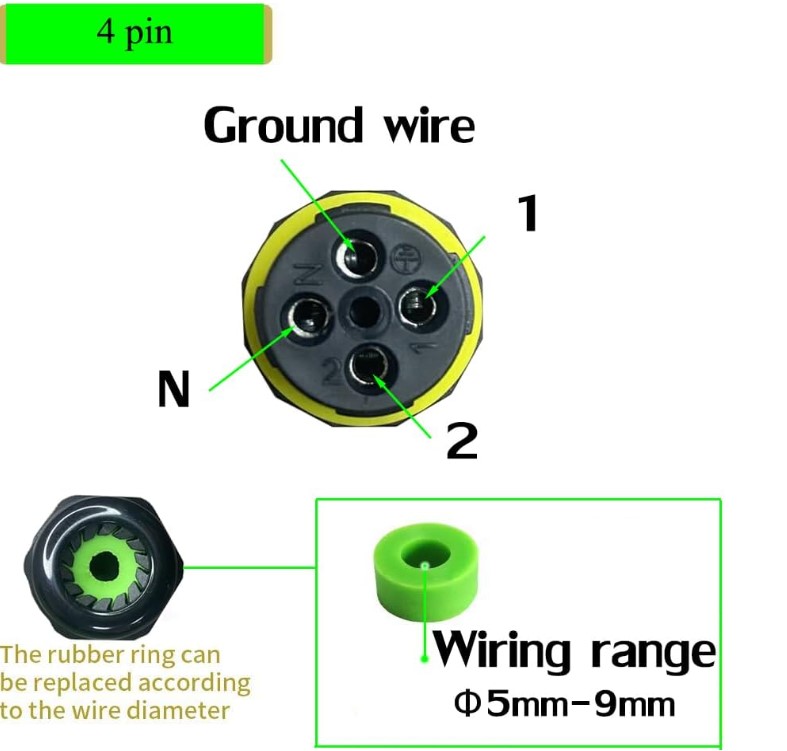
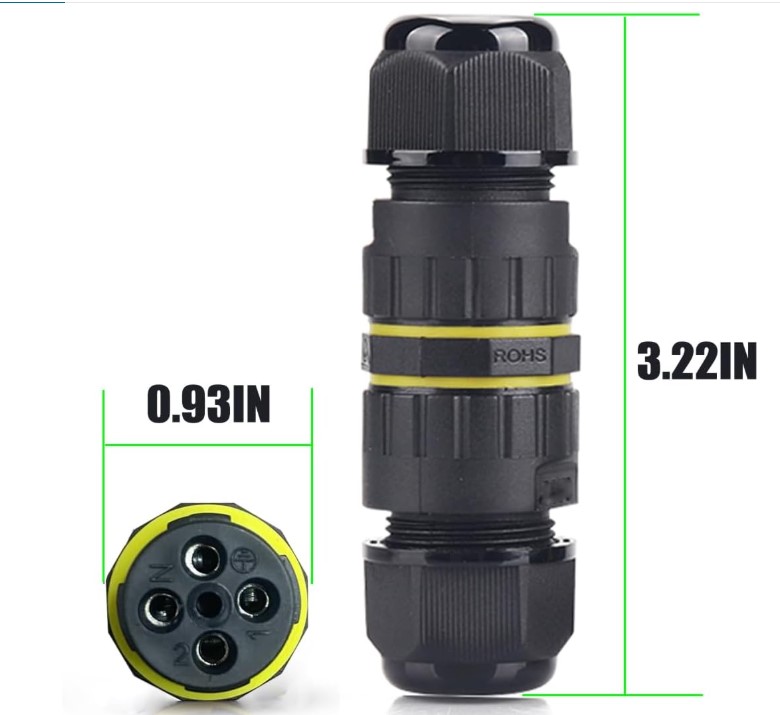
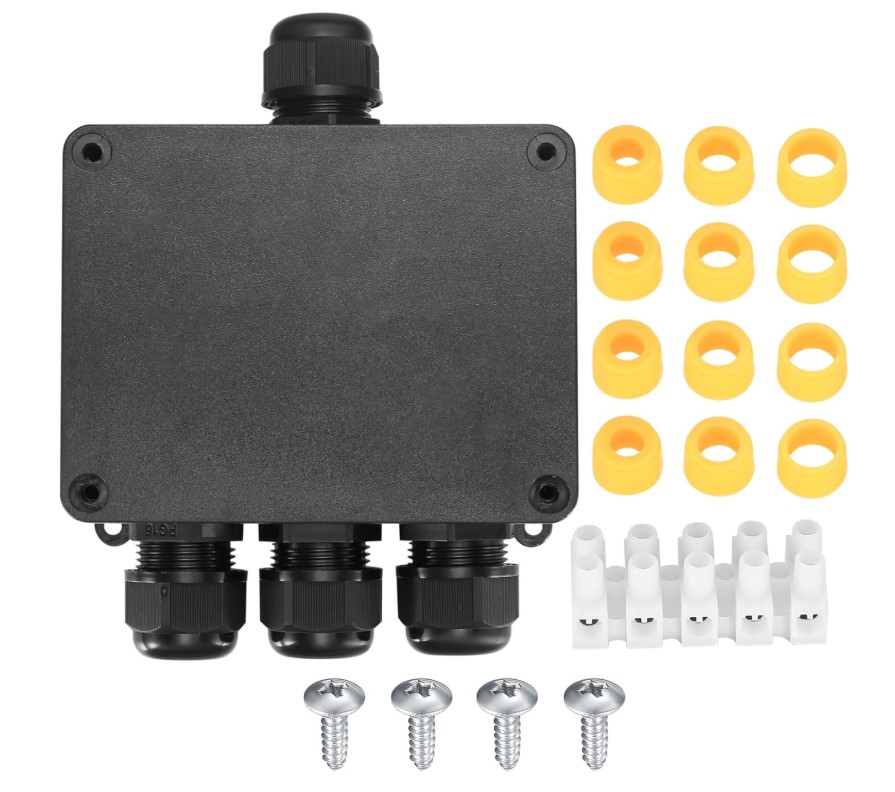
IP68 junction
IP68 junction
Wiring
Bus wiring connections
Pebble Plus
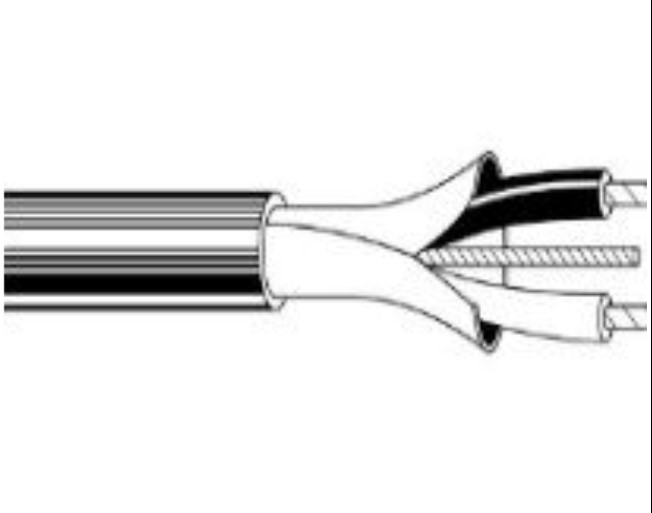
RS485 trunk cable
Sensor 1
On the RS485 bus
Sensor N
Continue the daisy-chain
Typical Plus sensor choices
  • Ultrasonic sensor on the RS485 bus
  • Another compatible ultrasonic sensor on the RS485 bus
  • Compatible submersible sensor on the RS485 bus
  • Apply RS485 termination only at the end of the bus

Wiring Reference

Use the matching wiring method for your selected model.
Sensor side
Signal  β†’ Sensor signal
Ground  β†’ Sensor ground
Controller side
Signal  β†’ Pebble sensor input
Ground  β†’ Pebble ground
eco models use direct ultrasonic sensor wiring. Keep joins sealed and protected.
RS485 bus pairing (recommended)
Plus only
  • Pair 1: RS485 A / B
  • Pair 2: Power + / Ground
  • Shield: Bond at one end only if shielded cable is used
Use a true daisy-chain line, not star wiring. Terminate only at the final device on the bus.

Power Options

12V DC adapter or suitable 12V solar setup
Solar
Solar example
Adapter
12V adapter example
Use stable 12V DC power and protect exposed power connections from weather.
Use this as the high-level map. The exact hardware details depend on the model you selected.